
There is a distinct, modern form of heartbreak known only to the streaming era. You discover a new television series. You fall in love with its intricate world-building, dissect its cliffhangers on Reddit, and emotionally invest in its characters. Then, just weeks after its premiere, the headline drops: Canceled after one season. From heavily hyped sci-fi epics like Netflix’s The Boroughs to quirky animated comedies like Prime Video’s Kevin, the single-season cancellation has become an industry epidemic. Audiences are left frustrated by unresolved cliffhangers, and creators are left grieving unfinished stories. But why has the “one-and-done” model become the new Hollywood standard? why TV shows get canceled
Why TV shows get canceled
The truth lies behind closed boardroom doors, buried inside complex algorithms, brutal cost-benefit equations, and a fundamental shift in how the entertainment industry values art.

1. The Metric That Matters Most: Completion Rate
For decades, traditional broadcast networks relied on Nielsen ratings—estimates of how many millions of people tuned in to watch a show live on any given night. If a show had a decent audience, it stayed on the air.
In the streaming age, gross viewership is no longer the holy grail. Instead, platforms are obsessed with a brutal internal metric: Completion Rate.
Streaming executives do not just care about how many people start a show; they care about how many people finish it, and how fast. If 10 million households watch the pilot episode of a new series, but only 3 million make it to the season finale, the algorithm flags the show as a failure. why TV shows get canceled

To a streaming platform, a low completion rate indicates that the series failed to hook the audience enough to sustain long-term interest. If a viewer drops off halfway through Season 1, they certainly will not return for Season 2. Consequently, shows with vocal, passionate fanbases are regularly axed simply because the broader casual audience clicked away before the credits rolled on episode eight.
2. The 28-Day Death Sentence
Compounding the pressure of completion rates is the claustrophobic window of time shows are given to succeed. In the era of traditional television, a network might allow a struggling freshman comedy or drama an entire television season (sometimes six to nine months) to find its footing, benefit from word-of-mouth marketing, and build an audience. why TV shows get canceled
Today, a show’s fate is largely sealed within its first 28 days on a platform.
[ Day 1: Premiere ] ──> [ Day 7: First Metric Check ] ──> [ Day 28: Final Decision Window ]

Because streaming services often drop entire seasons at once under the binge-model paradigm, they track hyper-specific data points:
- Starters: Users who watch at least one episode.
- Completers: Users who finish the season within 28 days.
If a series does not achieve explosive growth or maintain a high completion rate within that first month, the algorithm deems it a dead weight. This creates a catch-22 for viewers: many audiences now avoid watching new shows because they are afraid of getting burned by a swift cancellation, but by waiting to see if a show gets renewed, they guarantee its demise by withholding those crucial first-month views. why TV shows get canceled
3. The Cold Math of Viewership vs. Production Cost
At its core, the decision to renew a television show comes down to a cold mathematical equation: Does the cost of producing the next season justify the subscriber acquisition or retention it generates?
Television production has never been more expensive. High-concept sci-fi, fantasy, and period dramas frequently cost upwards of $10 million to $15 million per episode. When a show carries a massive price tag, it cannot just perform “well”—it has to perform spectacularly. why TV shows get canceled
“Netflix weighs viewership directly against cost when making pickup and cancellation decisions.”
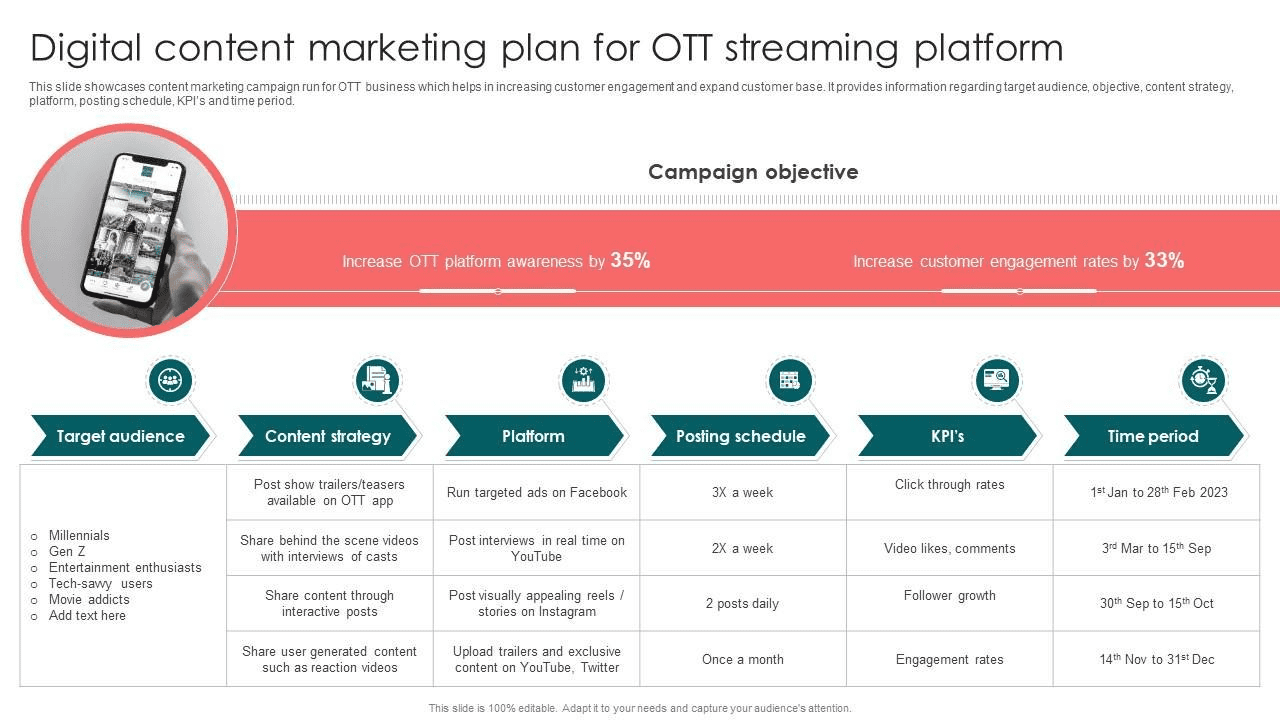
If a niche sci-fi series costs $100 million to produce and brings in 5 million dedicated viewers, it is a financial failure for a streamer. Conversely, a reality dating show or a true-crime documentary that costs $5 million to make and brings in the exact same 5 million viewers is a massive financial triumph. High-budget freshman series are born with a target on their backs; if they aren’t the next viral phenomenon, they are simply too expensive to keep alive. why TV shows get canceled
4. The Streaming Subscriber Trap
To understand why platforms are so quick to pull the plug, one must understand how streaming services make money. Unlike traditional networks that rely on recurring ad revenue tied to specific time slots, subscription video-on-demand (SVOD) platforms rely primarily on monthly subscription fees.
Therefore, a show is valuable to a streamer if it does one of two things:
- Attracts new subscribers (people signing up specifically to watch that show).
- Reduces churn (keeping existing subscribers from canceling their accounts).
A freshman show that merely satisfies existing users without drawing in new audiences or trending globally does not help the platform’s bottom line. Furthermore, because streaming libraries are permanent, the first season remains on the platform forever. Streamers often calculate that the money required to build a second season of a moderately successful show is better spent funding a brand-new “Season 1” of a different project, hoping that one will capture a brand-new demographic of subscribers. why TV shows get canceled
5. Escalating Talent Fees and the “Cost-Plus” Model
The economics of streaming contracts also work against a show’s longevity. Many streaming platforms utilize a “cost-plus” model. Under this structure, the network pays for the entire production cost of a show upfront, plus an additional premium (often 30%) to the production studio.
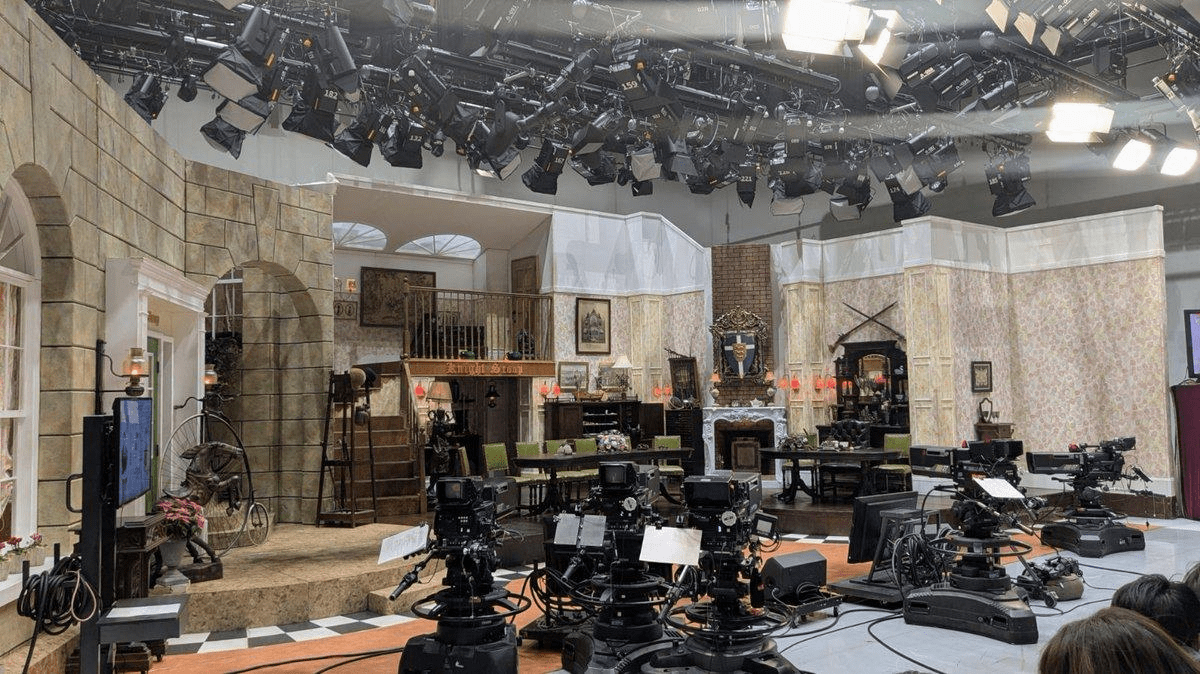
While this makes the first season highly lucrative for creators, the backend contracts dictate that talent fees, actor salaries, and production premiums dramatically escalate with every subsequent season.
| Season | Production Financial Risk | Talent Cost Multiplier |
| Season 1 | Baseline Cost | Standard / Entry Rate |
| Season 2 | Elevated Cost | Moderate Bump |
| Season 3 | High Cost | Significant Premium / Contract Renegotiations |
Because a show becomes substantially more expensive to produce in its second and third seasons, its viewership must grow proportionally just to break even. If a show’s audience plateaus or only slightly declines after Season 1, the rising costs make a second season economically unviable.
6. Shifting Executive Strategies and Hollywood Politics

Sometimes, a show’s cancellation has absolutely nothing to do with data, money, or quality. It comes down to corporate restructuring and political friction.
Hollywood is currently defined by shifting executive regimes. When a new studio head or network president takes over, they often want to clear the slate to make room for their own passion projects and distinct vision. The freshman shows greenlit by the previous executive team lose their internal champions. Without a corporate executive fighting for it in budget meetings, a first-season show is highly vulnerable to being cut.
Additionally, fracturing relationships between platforms and creators can spell doom. If a high-profile showrunner decides to sign an exclusive development deal with a rival studio, the original platform may choose to cut ties with the creator’s current freshman series rather than continue pouring millions into a property owned by someone who has jumped ship.
The Cultural Cost of the “One-and-Done” Era
The trend of canceling shows after a single season has fundamentally altered the television landscape. It has created an atmosphere of viewer fatigue and distrust. When audiences feel that investing time into a new narrative is a fool’s errand, they stop tuning in entirely, shifting their attention toward established legacy hits or short-form social media content.
Television history is filled with legendary series—from Seinfeld and The Office to Star Trek: The Next Generation—that suffered from rocky, poorly reviewed, or low-rated first seasons. Under the ruthless parameters of today’s streaming landscape, those masterworks would have been canceled after their first ten episodes. Until the entertainment industry balances its algorithmic calculations with a willingness to let art breathe and grow, the graveyard of brilliant, unresolved single-season shows will only continue to expand.
Also read the Top 10 Indian Documentaries & Docu-Series on Netflix
Also read the Best Zombie Movies & Series on OTT You Must Watch (2026)
Also read the Hidden gems on prime video India
Also read the 9 Brutal Action Thriller Movies on OTT That Go Hard From Start to Finish (2026)
For more Info, Please Visit the Netflix , Zee 5, Prime Video