
You sit down, grab a snack, fire up your smart TV, and open Netflix or Amazon Prime Video. Within seconds, a sprawling, colorful catalog fills your screen. A dramatic thriller catches your eye right at the top, while a row titled “Gritty Suspenseful Sci-Fi Shows” sits just below it. It feels like the streaming service knows exactly what mood you are in. But this is not magic, telepathy, or coincidence. It is the result of some of the most sophisticated, data-driven machine learning algorithms on the planet. How Netflix and Prime Video Choose
How Netflix and Prime Video Choose What You See
Every single tile, row header, and background image you see is meticulously engineered for you. Here is an inside look at how these algorithmic engines drive your entertainment choices.
The Core Engines: Collaborative vs. Content-Based Filtering
At the heart of any modern recommender system are two foundational techniques. Streaming platforms blend them to create a hybrid model.
1. Collaborative Filtering: The “People Like You” Approach
Collaborative filtering assumes that if two people agreed on several items in the past, they will likely agree on others in the future. The algorithm clusters millions of active users into thousands of tiny, highly specific “taste communities.”
How it works: If you and another subscriber both binge-watched Stranger Things and Wednesday, and that subscriber just finished a new mystery thriller and gave it a thumbs up, the algorithm will immediately pitch that mystery thriller to your homepage. It builds a digital neighborhood based on shared behaviors. How Netflix and Prime Video Choose
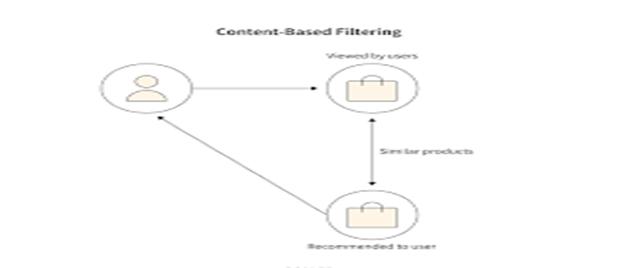
2. Content-Based Filtering: The “Similar Item” Approach
This method focuses entirely on the DNA of the media itself. Every show and movie uploaded to Netflix or Prime Video is meticulously tagged by both human evaluators and AI. It goes far beyond basic genres like “Comedy” or “Action.” Programs are tagged with hundreds of ultra-specific descriptors: pacing, visual tone, emotional arc, character archetypes, and even geographical settings.
If you frequently watch gritty, dystopian sci-fi, the content-based filter identifies other titles sharing those exact metadata signatures to serve up next.
Decoding Your Digital Body Language
When you browse a streaming app, you are talking to the algorithm without typing a single word. While explicit signals like adding a show to “My List” or hitting the “Thumbs Up” button matter, implicit signals provide the real breakthroughs. How Netflix and Prime Video Choose
┌────────────────────────┐
│ YOUR VIEWING DATA
└───────────┬────────────┘
┌───────────────────────────────────┐
[ Watch Time ] [ Completion Rate ] [ Browsing Habit ]
Bingeing vs. dropping Did you finish it? Hovering without
after 5 mins. Clicking.
The Watch Time and Velocity: Did you click a movie and shut it off after five minutes? Or did you watch four hours of a docuseries in one sitting? The system values continuous engagement far more than a simple click. How Netflix and Prime Video Choose
The Completion Rate: Abandoning a series halfway through sends a clear signal that the show lost your interest, prompting the algorithm to de-prioritize similar narrative arcs.
Browsing and Hovering: How long do you linger on a specific thumbnail before moving past it? Platforms track your scrolling speeds to gauge what visual cues grab your attention.
Hyper-Personalizing the Visuals: Artwork Selection
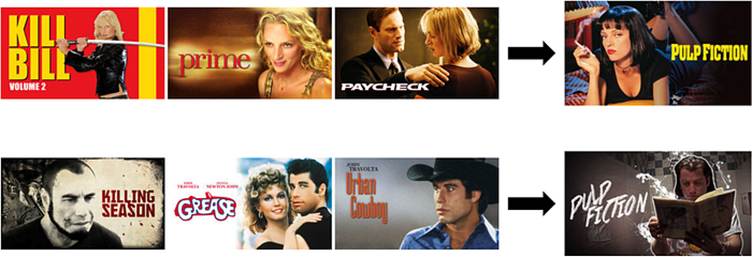
One of the most fascinating layers of Netflix’s strategy is that the artwork for a show is not static. Two users looking at the same title on their homepages will frequently see completely different thumbnails.
Netflix uses advanced computer vision and specialized machine learning models (recently enhanced by Large Language Model frameworks) to test variations of promotional art.
If you have a history of watching romantic comedies, the thumbnail for a generic action-comedy movie might feature the two lead characters sharing an intimate glance. If you prefer high-octane action, that same movie’s thumbnail might show a massive car explosion or a tense standoff. How Netflix and Prime Video Choose
The system analyzes which colors, facial expressions, and characters trigger the highest click-through rates based on your specific profile history.
Structure of the Homepage: Rows and Interleaving
Your streaming homepage is a complex matrix where every row competes for your attention. The algorithm must solve a two-dimensional ranking puzzle: which rows to show you, and which titles to put inside those rows.
The rows themselves are ranked dynamically. If you traditionally watch lighter sitcoms right after school or work, your “Casual Comedies” row will shift to the top during those specific hours. On a weekend night, a “Blockbuster Movies” or “Deep-Dive Documentaries” row might claim prime real estate.
Furthermore, platforms use a technique called interleaving to constantly test new content. They inject a highly experimental recommendation into your feed alongside reliable favorites. If you click on it, the system validates a new interest pathway. If you skip it, the model quietly adjusts its data parameters. How Netflix and Prime Video Choose
Prime Video vs. Netflix: Subtle Tactical Differences
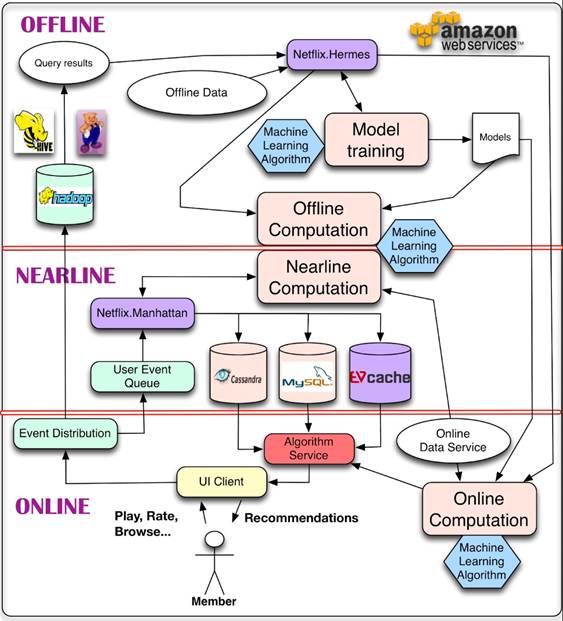
While both platforms leverage massive cloud infrastructures (Amazon utilizes its powerful AWS-backed Amazon Personalize engine), their core business objectives subtly alter their algorithmic behavior:
| Feature Strategy | Netflix | Amazon Prime Video |
| Primary Goal | Maximize total stream time and subscriber retention. | Enhance ecosystem value, including rentals, purchases, and subscriptions. |
| Contextual Inputs | Heavy focus on viewing context (device, time of day, localized language trends). | Blends retail indicators, Prime user data, and transactional histories. |
| Catalog Scope | Exclusively flat-rate subscription content. | Hybrid marketplace featuring included content alongside paid add-on channels. |
Balancing the Echo Chamber
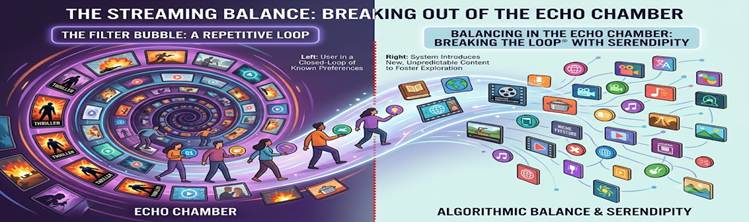
A major challenge for streaming engineering teams is avoiding the “filter bubble.” If an algorithm only gives you what you have already watched, you will eventually burn out on the platform.
To combat this, modern systems build “exploration loops” directly into their neural networks. They intentionally introduce a degree of randomness, presenting high-quality, trending content outside of your typical comfort zone. This algorithmic serendipity ensures you can still stumble upon unexpected favorites, keeping the platform fresh, engaging, and deeply addictive. How Netflix and Prime Video Choose
Also read the Top 10 Indian Documentaries & Docu-Series on Netflix
Also read the Best Zombie Movies & Series on OTT You Must Watch (2026)
Also read the Hidden gems on prime video India
Also read the 9 Brutal Action Thriller Movies on OTT That Go Hard From Start to Finish (2026)
For more Info, Please Visit the Netflix , Zee 5, Prime Video