
The entertainment industry is experiencing one of the most seismic shifts in its history. For over a century, the financial trajectory of a feature film and the payday of its stars were dictated by a single, definitive metric: the theatrical box office. A movie opened on a Friday, millions bought tickets, and a percentage of that tangible, cash-in-hand revenue trickled down to the actors who brought the story to life.
Today, the digital landscape has transformed the nature of celebrity commerce. The rise of Over-The-Top (OTT) streaming giants—such as Netflix, Amazon Prime Video, Disney+, and Apple TV+—has dismantled traditional distribution models. With this structural shift, the mechanics of actor compensation have been fundamentally re-engineered.
While an actor’s job remains relatively unchanged in front of the camera, the financial realities of performing for a global streaming platform versus a traditional silver-screen theatrical release are worlds apart
How Actor Compensation
1. Traditional Cinema Economics: The High-Risk, High-Reward Box Office Model
To understand how streaming revolutionized Hollywood and global cinema salaries, one must first understand the traditional theatrical framework. Historically, cinema compensation has relied heavily on a multi-tiered payment system: upfront fees, backend points, and long-term residuals.
[Traditional Cinema Pay Structure]
├── Upfront Base Fee (Guaranteed salary)
├── Backend Profit Participation (Percentage of Box Office)
└── Residuals (Home video, television syndication, physical media)

Upfront Base Fees vs. Backend Profit Participation
For a major theatrical release, an A-list actor typically negotiates a set base salary—often referred to as an “upfront fee.” However, for major stars, the true wealth is generated through backend profit participation, or “points.”
If an actor negotiates “first-dollar gross” points, they receive a percentage of the film’s box office revenues from the very first ticket sold, before the studio even recovers its production budget. More commonly, stars receive “net profit points,” which trigger after a film breaks even and starts turning a profit. How Actor Compensation
The Classic Example: When Tom Cruise signed on for Top Gun: Maverick, his upfront salary was a modest $13 million. However, because his contract guaranteed a massive percentage of first-dollar gross and backend box office percentages, he ultimately walked away with an estimated $100 million after the film grossed over $1.4 billion worldwide. How Actor Compensation
The Role of Residuals and Syndication
The financial longevity of a traditional film role extends far beyond its theatrical run. Historically, actors received residuals—recurring payments every time a movie was broadcast on network television, sold on DVD/Blu-ray, or licensed for international syndication. These long-term revenue streams formed the bedrock of an actor’s financial security, acting as a continuous dividend on their past work.
2. The OTT Revolution: The “Buyout” and the Death of the Backend
When streaming platforms entered the original content arena, they encountered a structural problem: they did not sell individual tickets. An OTT subscriber pays a flat monthly fee to access thousands of titles, meaning there is no direct way to measure how much cash a single movie or series generates at a digital box office.
Without a traditional theatrical run or individual ticket sales, the traditional backend profit model became obsolete. To attract elite talent away from movie theaters, streaming networks had to invent a completely new financial mechanism: the Cost-Plus Model or the Full Buyout. How Actor Compensation
[OTT/Streaming Pay Structure]
├── Massive Upfront Fee (Higher than theatrical base)
└── Buyout Premium (Pre-purchasing all future backend/residual rights)
└── (No direct box office percentages or traditional TV syndication)
The Upfront Premium (The Cost-Plus Structure)
Because streaming services cannot offer actors a cut of the box office or traditional TV residuals, they compensate by inflating the upfront fee to an astronomical degree. This is known as a buyout. The platform essentially purchases the actor’s performance, their backend potential, and all future residual rights in one single, massive upfront lump sum. How Actor Compensation
For instance, an actor who might typically command a $10 million base fee for a theatrical studio film might be paid $20 million to $25 million by a streaming service for a comparable project. The streaming platform adds a premium to the base salary to make up for the absolute lack of backend revenue down the road.
| Compensation Component | Traditional Cinema Model | OTT Streaming Model |
| Upfront Fee | Lower base salary, but highly negotiable. | Significantly higher lump sum to offset lack of backend. |
| Backend Income | Based directly on global box office performance. | Non-existent; no ticket sales to measure or split. |
| Long-Term Residuals | Robust payments from TV reruns, physical media, and licensing. | Minimal or flat-rate domestic/foreign streaming residuals. |
| Financial Risk | High risk; if the film flops, the actor makes no backend. | Zero risk; the actor is paid the full amount regardless of viewership. |
3. Residuals in the Streaming Era: A Generational Battleground
The shift to full buyouts has drastically altered how actors sustain their careers over time. In traditional cinema and broadcast television, a successful project meant checks arriving in the mailbox for decades. In the streaming ecosystem, that model has been heavily suppressed. How Actor Compensation
Streaming residuals are calculated using a fixed formula based on the platform’s subscriber count and how long the content remains on the service, rather than how many people actually watch it. This means an actor starring in a massive global streaming hit that gets viewed hundreds of millions of times might receive a residual check that is virtually identical to an actor whose streaming project completely bombed. How Actor Compensation
This dramatic reduction in long-term residual equity was one of the core catalysts behind the historic Hollywood talent strikes in recent years. Actors and creative guilds fought aggressively to restructure streaming residuals, demanding transparency regarding viewership data and a fairer distribution of success-based bonuses when an OTT project becomes an undisputed global phenomenon. How Actor Compensation
4. The Mid-Tier Actor Dilemma: Democratization vs. Financial Strain
While A-list superstars can easily leverage the streaming wars to secure massive eight-figure buyouts, the financial impact on working-class, supporting, and mid-tier actors is highly nuanced.
On one hand, the volume of content produced by OTT platforms has created an unprecedented boom in employment. With hundreds of original series and films greenlit every year by competing networks, there are far more jobs available for actors than ever before. It has democratized access, allowing character actors and fresh talent to gain global exposure without needing a theatrical gatekeeper. How Actor Compensation
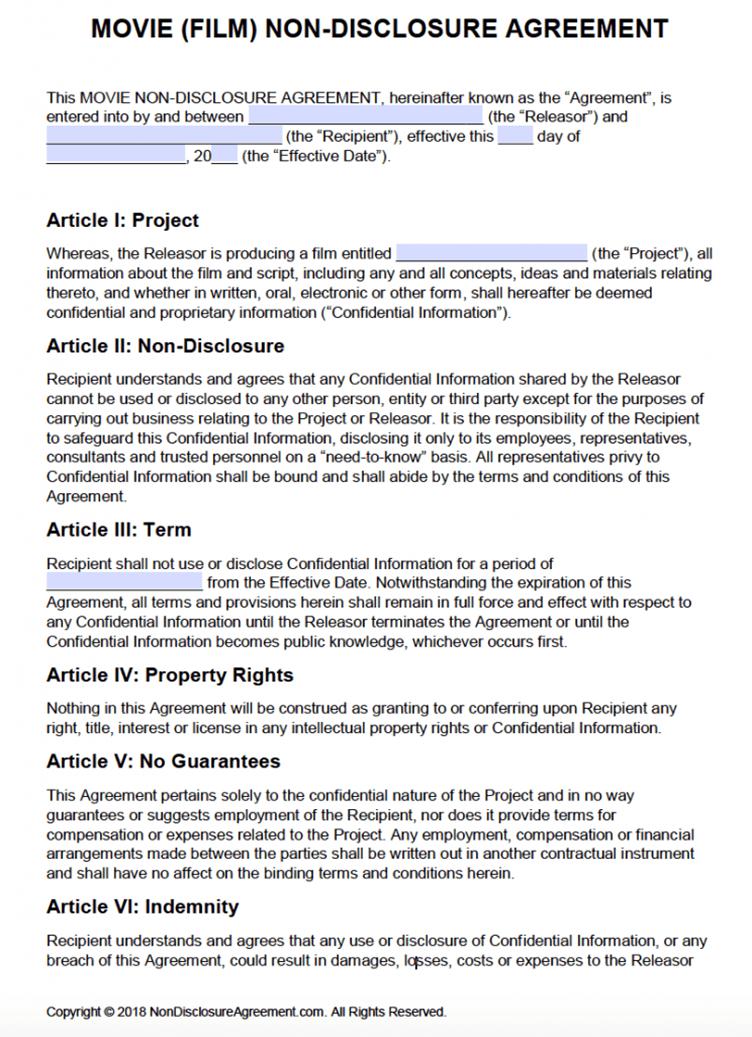
On the other hand, the absence of traditional backend points and the shrinking value of residuals mean that mid-tier actors must work continuously to maintain their income. In the past, a couple of successful supporting roles in theatrically distributed films or syndication-heavy television shows could financially sustain an actor for years. In the modern OTT landscape, once a project wraps and the upfront buyout is spent, the ongoing financial return is highly restricted, forcing talent to constantly move from project to project.
5. The Rise of the Hybrid Model
As the entertainment landscape matures, the rigid boundary between cinema and streaming is beginning to blur. Studios and talent agencies are increasingly negotiating hybrid release models.
Annapurna College of Film and Medi
In these arrangements, a film may receive a limited or full theatrical window before transitioning rapidly to an OTT streaming platform. For these projects, contract lawyers have had to draft intricate, highly complex compensation clauses. If a movie is fast-tracked to streaming, actors negotiate “milestone bonuses” or “accelerators” based on platform viewership metrics, or they receive a pre-negotiated cash buyout the moment the film leaves theaters and hits the digital cloud. How Actor Compensation
Ultimately, the choice between cinema and OTT represents two entirely different financial philosophies for modern actors. Cinema remains a high-stakes gamble—offering lower guaranteed money up front but the tantalizing potential for generation-defining wealth if the film strikes gold at the box office. OTT streaming, by contrast, offers the ultimate financial security blanket: immediate, massive, guaranteed payouts that protect actors from economic failure, albeit at the cost of giving up a stake in the project’s long-term financial legacy. How Actor Compensation
Conclusion: The Future of the Paycheck
The entertainment ecosystem has evolved into a dual-layered marketplace where actors must balance immediate financial certainty with long-term equity. Traditional cinema remains the home of the high-stakes gamble, offering actors the unique opportunity to build generational wealth through box office percentages and global theatrical success. Conversely, OTT platforms have rewritten the rules by offering unprecedented upfront financial security through massive buyouts, eliminating the risk of a box office flop but capping the project’s long-term earning potential for its stars.

As streaming networks begin to experiment with theatrical windows and talent guilds continue to fight for data transparency, the financial structures governing Hollywood and global cinema will keep shifting. For the modern actor, navigating this landscape is no longer just about delivering a great performance—it is about understanding the complex economics of how, where, and by whom that performance is consumed. How Actor Compensation
Also read the Top 10 Indian Documentaries & Docu-Series on Netflix
Also read the Best Zombie Movies & Series on OTT You Must Watch (2026)
Also read the Hidden gems on prime video India
Also read the 9 Brutal Action Thriller Movies on OTT That Go Hard From Start to Finish (2026)
For more Info, Please Visit the Netflix , Zee 5, Prime Video